
Pre-Winter Window Cleaning Checklist
October is a good time for homeowners to look closely at their windows before colder weather arrives. In Northeast Ohio, fall brings cooler temperatures, falling leaves, changing weather, and eventually freezing conditions. National Weather Service climate data places Cleveland’s average first 32°F freeze around October 28, which makes October a practical time to address exterior maintenance before winter conditions become more limiting.
A pre winter window cleaning checklist can help homeowners identify dirt, pollen, fingerprints, insects, debris, and other buildup that accumulated through spring and summer. It also creates an opportunity to look closely at window frames, sills, channels, and difficult-to-reach glass.
At Central Window Cleaning, we provide residential interior and exterior window cleaning, including windows that may be difficult for homeowners to reach safely. While cleaning windows, our technicians also wipe frames and sills and remove buildup from jambs and channels.
So, what should be checked before winter window cleaning? Start with the entire window area rather than focusing only on the center of the glass.
1. Check Exterior Glass for Seasonal Buildup
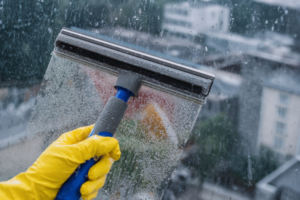 Exterior glass has been exposed to months of pollen, dust, rain residue, insects, lawn activity, and outdoor grime by October. Even when individual spots do not seem serious, several layers of residue can make windows look dull.
As part of a pre winter window cleaning check, walk around the home during daylight and look at windows from several angles. Sunlight can make streaks, spots, and film easier to see.
Pay particular attention to windows facing roads, driveways, gardens, sprinklers, trees, or frequently used outdoor areas. These locations may collect more visible buildup than protected windows.
Professional residential window cleaning can remove accumulated dirt and grime from exterior glass before colder temperatures make outdoor maintenance less convenient.
2. Inspect Interior Glass
Exterior dirt is only part of the picture. Interior windows can collect fingerprints, household dust, pet marks, and everyday smudges.
Look closely at patio doors, lower windows, windows beside furniture, and frequently touched glass. These areas may need more attention than windows that rarely receive direct contact.
Including the interior glass in a pre winter window cleaning plan can help the entire window look clearer instead of cleaning one side while leaving visible residue on the other.
Central Window Cleaning offers both interior and exterior residential window cleaning, so homeowners can choose the areas that need professional attention.
3. Look at Window Sills and Frames
Window sills and frames help shape the overall appearance of a clean window. Dust, insects, cobwebs, and grime can collect around these areas even when the glass itself does not look particularly dirty.
Run a visual check along interior and exterior sills. Look for visible debris, dirt in corners, and grime around the edges of the frame.
Our residential window cleaning service includes wiping down window frames and sills. That added attention helps address the surrounding areas rather than focusing only on the pane.
4. Check Tracks, Jambs, and Channels
Tracks and channels are easy to overlook because much of the buildup sits below or beside the visible glass. By fall, these areas may contain dust, insect debris, cobwebs, and general grime.
Open accessible windows and look at the areas where the sash moves. Visible buildup may be a sign that these sections should be included in the cleaning.
Central Window Cleaning removes accumulated insects, cobwebs, and grime from jambs and channels as part of residential window cleaning. Our technicians may also notice potential visible concerns involving window sills or other functional mechanics while working.
5. Inspect Screens for Dirt and Debris
Screens can collect pollen, dust, insects, and outdoor debris during warmer months. When a screen is dirty, the window area can continue to look dull even after the glass has been cleaned.
Check screens for obvious buildup before winter. Pay attention to screens facing trees, landscaping, or areas where outdoor activity produces dust and debris.
If screens will remain installed during colder weather, starting winter with cleaner surrounding window areas can help the entire window look more maintained. If screens are removed seasonally, October is also a useful time to inspect their condition while they are accessible.
6. Identify High and Difficult-to-Reach Windows
Upper-story, attic, stairway, and other elevated windows are often skipped during routine homeowner cleaning because reaching them can be difficult.
Include these panes when reviewing the home. Dirt on upper-level glass still affects exterior appearance and can reduce the clarity of the view from inside.
One advantage of professional pre winter window cleaning is being able to address windows that homeowners may not be able to reach comfortably. Central Window Cleaning provides residential cleaning for interior and exterior glass, including difficult-to-reach windows.
7. Look for Water Spots and Stubborn Staining
Not every mark on a window is ordinary dirt. Water stains, mineral-related spots, scratches, and other surface flaws may remain visible after standard cleaning.
When reviewing the windows, note any areas that have looked cloudy or stained for a long time. If marks remain after the surface has been thoroughly cleaned, repeated basic cleaning may not address the underlying appearance problem.
Central Window Cleaning also provides residential glass restoration for concerns including water stains, scratches, and etching from built-up grime. Glass restoration is a separate process from normal window cleaning and may be appropriate when surface flaws remain after cleaning.
8. Check Windows Near Landscaping
Windows near lawns, gardens, patios, decks, driveways, and other outdoor work areas may collect more seasonal residue.
By October, summer lawn activity and early fall debris may have left dust, grass particles, pollen, or dirt around nearby glass and frames. Windows beneath trees may also receive additional debris as leaves begin to fall.
Adding these areas to the pre winter window cleaning checklist helps homeowners focus attention where buildup may be heavier rather than assuming every window needs exactly the same level of cleaning.
9. Review Windows after Summer
Rain and wind can leave marks on exterior glass and carry debris into frames, sills, and channels. Cleveland normally receives measurable precipitation throughout October, and temperatures continue to fall as the region approaches its typical first freeze.
Check the windows after periods of unsettled weather. Water spots, windblown debris, and residue around the edges may become easier to see once the glass dries.
Addressing these areas before winter can reduce the amount of seasonal buildup carried into the colder months.
 10. Decide Which Windows Need Professional Attention
The last step is identifying what can reasonably be handled as routine homeowner upkeep and what would benefit from professional service.
Ground-level glass may be easier to inspect, while upper-story windows and heavily soiled areas can be more difficult. If multiple windows need interior and exterior cleaning, or if hard-to-reach glass has been skipped through the summer, scheduling professional service can simplify the process.
Contact CWC Today!
A thorough pre winter window cleaning appointment can address glass along with frames, sills, jambs, and channels before colder weather makes exterior maintenance more challenging.
Explore Central Window Cleaning’s residential window cleaning services before winter arrives. Call 877-815-9274 to learn more or schedule service.
Frequently Asked Questions
1. When should homeowners schedule pre-winter window cleaning?
October can be a practical time for pre-winter window cleaning in Northeast Ohio because it allows homeowners to address seasonal dirt and buildup before colder conditions become more common. The best timing can vary depending on weather, the condition of the windows, and the amount of surrounding tree debris.
2. Should interior windows be cleaned before winter too?
Yes. Interior windows can accumulate fingerprints, dust, pet marks, cooking residue, and other buildup throughout the year. Cleaning both the interior and exterior glass before winter can provide a clearer overall result, especially when windows may remain closed more often during colder months.
3. Should window tracks be cleaned before winter?
Window tracks may be worth cleaning before winter when they contain dust, insects, cobwebs, or other visible debris. Removing accumulated buildup can improve the cleanliness of the overall window area before windows are opened less frequently during colder weather.
4. What parts of a window should be cleaned before winter?
Homeowners may want to check the glass, sills, tracks, frames, and screens for visible dirt, cobwebs, insects, pollen, and outdoor debris. Window cleaning can address normal buildup, while damage, deterioration, or functional problems with the window should be evaluated separately.
5. Should window screens be cleaned before winter?
Window screens can collect pollen, dust, insects, and outdoor debris throughout the warmer months. Cleaning them before winter can help remove seasonal buildup. Homeowners who remove screens for the winter can also inspect them for visible damage before placing them in storage.
6. Why do my windows still look cloudy after cleaning?
Cloudiness that remains after normal window cleaning may be caused by mineral deposits, staining, scratches, etching, or moisture between panes rather than ordinary dirt. Certain surface-related problems may be candidates for professional glass restoration, while moisture trapped between panes can indicate an issue that cleaning will not correct.
7. Can professional window cleaners clean hard-to-reach windows?
Professional window cleaning services can address many high or difficult-to-reach windows using appropriate equipment and cleaning methods. This can help homeowners avoid attempting to reach elevated exterior glass themselves.
8. Why do my windows get dirty again so quickly in the fall?
Falling leaves, pollen, windblown dirt, rain, and debris from nearby trees can cause windows and surrounding areas to become dirty again during fall. The amount of buildup can vary depending on the home’s surroundings and the exposure of individual windows.
9. Why do some windows get dirtier than others?
Windows can accumulate different amounts of dirt depending on their exposure to roads, trees, landscaping, rain, sprinkler water, and other outdoor conditions. Certain sides of a home may therefore need more attention than others even when all of the windows were cleaned at the same time.
10. When is glass restoration needed instead of regular window cleaning?
Glass restoration may be considered when mineral staining, scratches, etching, or certain other surface problems remain after normal dirt and grime have been removed. Standard window cleaning addresses ordinary buildup, while glass restoration is intended for certain conditions affecting the surface and appearance of the glass.