
Why Late Summer Windows Look Cloudy
Late summer has a way of making windows look dull, hazy, or cloudy even when they were cleaned earlier in the season. By August, homes have usually gone through months of pollen, dust, humidity, fingerprints, lawn debris, insects, rain spots, and outdoor residue. All of that buildup can settle on the glass, frames, sills, tracks, and screens, creating a film that affects how clear the windows look from both inside and outside the home.
For many homeowners, cloudy windows in summer are not always caused by one single issue. The glass may be collecting layers of outdoor grime, indoor smudges, and mineral residue from moisture. Screens may also hold dust and pollen that transfer back onto the glass when air moves through them. By the end of summer, these layers can make windows look faded, streaky, or foggy before fall even begins.
Understanding why late summer windows look cloudy can help homeowners recognize when the issue is normal seasonal buildup and when the glass may need more detailed cleaning or restoration.
Why Do Windows Look Cloudy Near The End Of Summer?
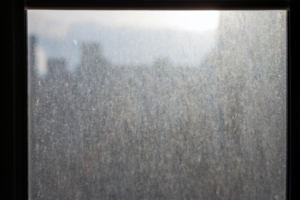 Windows often look cloudy near the end of summer because they have been exposed to several months of outdoor and indoor residue. Warm-weather conditions can leave pollen, dust, humidity stains, fingerprints, grass clippings, lawn debris, insect residue, sprinkler spots, and airborne particles on the glass. These materials may not be easy to notice at first, but over time they create a dull film that reduces clarity.
Late summer is also a transitional time. Days may still be hot and humid, while evenings can feel cooler. Moisture can settle on the glass, especially in the morning or after rain. When that moisture mixes with dust, pollen, or outdoor residue, it can leave behind a cloudy appearance after it dries. This is one reason windows may look less clear in August than they did earlier in the season.
In many cases, cloudy windows in summer are simply the result of accumulated surface buildup. However, some cloudy or stained areas may be harder to remove if minerals, hard water, or long-term residue have bonded to the glass. That is where professional residential window cleaning or glass restoration may be helpful.
Pollen
Pollen is one of the most common reasons windows lose their clean appearance during warm months. Even after the heavier spring pollen season passes, pollen can still collect on windows, screens, sills, and frames throughout summer. It may appear as a light yellow, green, or dusty coating, depending on what is in the air around the home.
When pollen settles on dry glass, it may look like a faint powder. When it mixes with rain, humidity, or sprinkler water, it can smear and dry into a cloudy film. This makes the glass look dull, especially when sunlight hits the window at an angle.
Dust Builds Up During Dry Summer Weather
Dry summer days can carry dust from driveways, roads, construction, mulch beds, gardens, patios, and nearby landscaping. Dust does not always create obvious spots at first. Instead, it can form a thin layer that slowly reduces the brightness of the glass.
By late summer, dust may be baked onto exterior windows by heat and sun exposure. If homeowners try to quickly wipe the glass without properly removing loose dirt first, the dust can smear across the surface and make the window look even cloudier. This is why cloudy windows in summer can sometimes look worse after a quick wipe with the wrong cloth or cleaning method.
Dust also settles into window tracks and sills. When windows are opened and closed, or when wind blows through screens, that debris may shift onto the glass again. A window may not stay clean for long if the surrounding areas are still holding months of dry buildup.
Humidity
Humidity plays a major role in why late summer windows look cloudy. Warm, damp air can cling to glass surfaces, especially in the morning or after temperature changes. When moisture collects on a window that already has dust, pollen, fingerprints, or outdoor residue, it can create streaks or haze as it dries.
Humidity can also make existing smudges more visible. A window that looks acceptable in dry conditions may appear cloudy when the air is heavy with moisture. This can happen on exterior glass, interior glass, or both.
In some cases, homeowners may think the window itself is fogged or damaged when the issue is actually residue sitting on the surface. However, if cloudiness appears between panes of insulated glass and cannot be cleaned from either side, that may point to a different issue than ordinary surface buildup. Professional cleaning can help clarify whether the haze is on the glass surface or related to the window unit itself.
Fingerprints And Interior Smudges
Late summer window cloudiness is not only caused by outdoor residue. Interior glass can also collect fingerprints, handprints, pet nose marks, cooking film, dust, and everyday smudges. These marks often become more noticeable when sunlight shines through the window.
Families may open blinds more often during summer, use patio doors more frequently, or touch windows while opening and closing them. Sliding glass doors, front windows, kitchen windows, and windows near sitting areas often show more fingerprints than other areas of the home.
Interior smudges can combine with exterior grime to make the entire window look cloudy. Even if the outside glass is the main problem, marks on the inside can reduce clarity. For the best result, both sides of the glass often need attention.
Lawn Debris
Summer lawn care can also affect window appearance. Mowing, trimming, edging, mulching, and blowing debris can send grass clippings, soil, mulch dust, and plant particles into the air. Some of that debris may land on windows, especially lower-level glass, basement windows, patio doors, and windows near landscaping beds.
Outdoor work around the home can also stir up older debris that has settled on the ground. By late summer, these repeated exposures may leave windows looking dull even if they were cleaned earlier in the year.
Rain And Sprinklers
Rainwater can rinse some loose dirt away, but it does not always leave windows clean. If rain mixes with pollen, dust, or outdoor residue, it can create streaks as it dries. Wind-driven rain may also splash dirt from nearby surfaces onto the glass.
Sprinklers can create another issue. Water from irrigation systems may hit windows and dry into spots, especially if the water contains minerals. Repeated sprinkler exposure can make certain panes look cloudy, spotted, or dull. These marks may be more stubborn than ordinary dust because mineral residue can cling to the glass surface.
By late summer, windows exposed to sprinklers, garden hoses, or repeated rain may have visible spotting. If these spots have been building for a while, normal wiping may not fully remove them. Glass restoration may be considered when stains or mineral deposits are more difficult to clean.
How Professional Window Cleaning Helps
 Professional residential window cleaning can help address the layers of buildup that cause windows to look cloudy near the end of summer. Instead of only wiping the center of the glass, a professional cleaning may focus on the areas that contribute to the overall appearance of the window, including exterior grime, interior smudges, edges, screens, tracks, and sills.
Professionals also have the equipment and experience to work on windows that may be hard to reach or difficult to clean safely. This matters for upper-level windows, larger panes, and windows where residue has collected over time.
For glass that looks stained, spotted, or cloudy even after cleaning, glass restoration may be the more appropriate service. This can help address certain types of stubborn surface residue or staining that basic cleaning may not remove.
Avoid Cloudy Windows In Summer
Cloudy windows in summer are often caused by pollen, dust, humidity, rain spots, sprinkler residue, insects, and outdoor grime. By late summer, this buildup can make glass look dull, reduce natural light, and affect your view.
In many cases, the cloudiness is surface residue that can be cleaned, while stubborn spots may need glass restoration. For clearer windows before fall, hire Central Window Cleaning for residential window cleaning and glass restoration. Visit our services or call 877-815-9274 to schedule service.
10 FAQs About Cloudy Windows In Summer
1. Why Do Windows Look Cloudy Near The End Of Summer?
Windows often look cloudy near the end of summer because pollen, dust, humidity, fingerprints, lawn debris, and outdoor residue have had several months to build up on the glass, screens, sills, and frames.
2. What Causes Cloudy Windows In Summer?
Cloudy windows in summer are commonly caused by a mix of pollen, dust, moisture, rain spots, sprinkler residue, fingerprints, insects, and debris from lawn care or landscaping.
3. Can Humidity Make Windows Look Cloudy?
Yes. Humidity can make residue on glass more noticeable. When moisture mixes with dust, pollen, or fingerprints, it can dry into streaks or a dull film.
4. Does Pollen Make Windows Look Hazy?
Yes. Pollen can settle on glass and screens, creating a powdery or cloudy layer. When it mixes with rain or humidity, it can leave behind a dull film.
5. Can Lawn Care Debris Make Windows Dirty?
Yes. Mowing, trimming, edging, and blowing debris can send grass clippings, dirt, mulch dust, and plant particles onto nearby windows, especially lower-level windows and patio doors.
6. Why Do My Windows Still Look Cloudy After I Wipe Them?
Windows may still look cloudy after wiping if residue remains on the glass, screens, edges, tracks, or sills. Some stains, such as hard water spots or mineral buildup, may also need more than basic cleaning.
7. Can Sprinklers Cause Cloudy Window Spots?
Yes. Sprinkler water can leave mineral spots on glass, especially when it dries in the sun. Over time, repeated sprinkler exposure can make windows look spotted or cloudy.
8. Are Cloudy Windows Always A Sign Of Damaged Glass?
No. Many cloudy windows are caused by surface buildup. However, if the cloudiness appears between panes and cannot be cleaned from either side, it may be related to the window unit itself.
9. When Should Homeowners Schedule Window Cleaning?
Late summer is a helpful time to schedule window cleaning because it removes months of pollen, dust, fingerprints, lawn debris, and outdoor residue before fall weather arrives.
10. Can Professional Window Cleaning Help With Cloudy Windows?
Yes. Professional residential window cleaning can help remove buildup from glass, screens, sills, and tracks. If stains or spots are more stubborn, glass restoration may be helpful.
Why Late Summer Windows Look Cloudy