
What Happens When Gutters Stay Clogged Too Long?
Gutters are easy to overlook because they sit above eye level and usually do not attract attention until something goes wrong. A few leaves or twigs may not seem urgent, especially when water is still moving through part of the system. However, debris can continue building until the gutters and downspouts no longer direct water properly.
For homeowners asking, “What can happen if clogged gutters are not cleaned?”, the main concern is poor drainage. Water may spill over the sides, collect near the roofline, stain exterior surfaces, or drain too close to the home. Over time, these problems may create additional maintenance concerns that could have been addressed earlier through clogged gutter cleaning.
At Central Window Cleaning, we offer residential gutter cleaning for homeowners who want to keep their gutter systems clear and functioning properly. Our gutter cleaning service addresses debris and blockages that interfere with normal drainage.
Water May Begin Overflowing During Rain
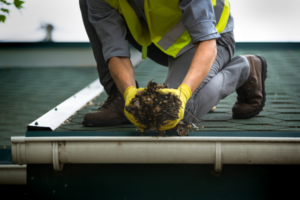 One of the most noticeable signs of clogged gutters is water spilling over the edges during rainfall. Gutters are designed to collect runoff from the roof and guide it toward the downspouts. When leaves, twigs, or other debris block that path, water may back up instead.
Overflow can appear in one section or along a larger portion of the gutter. Homeowners may notice water pouring directly onto landscaping, walkways, siding, or the ground near the house. The problem may be especially visible during heavier rainfall, but even moderate rain can reveal a blockage.
Cleveland receives measurable precipitation throughout the year, so residential gutters regularly need to manage rain, snow, and seasonal moisture. Keeping the system clear helps water follow the intended drainage path instead of spilling over in unwanted areas.
Poor Drainage Can Affect the Area Around the Home
When water does not move through the downspouts properly, it has to go somewhere else. It may run down the exterior of the house or collect in the ground close to the structure.
Drainage around a home matters because water should generally move away from the building rather than repeatedly gathering beside it. Ohio State University-related stormwater guidance emphasizes the importance of keeping drainage routes clear and directing runoff away from homes and toward appropriate collection areas.
A clogged gutter does not automatically mean a serious structural problem will develop. However, repeated overflow can create conditions homeowners should not ignore. Clogged gutter cleaning helps restore the route water is supposed to follow and can reduce unnecessary pooling near the property.
Exterior Staining May Become Visible
Overflowing water can leave visible marks on the home’s exterior. Depending on where the blockage occurs, homeowners may notice streaks or discoloration on siding, fascia, gutters, or areas beneath the roofline.
These marks may become more noticeable after repeated storms. Water can carry dirt and organic residue from the roof and gutter system, leaving that material behind as it runs down exterior surfaces.
Staining does not always indicate serious damage, but it is often a warning sign that water is not draining correctly. If marks continue appearing in the same area, the gutter system should be checked for debris, sagging, or a blocked downspout.
Gutters May Begin Sagging or Pulling Away
Wet leaves and trapped debris can become heavy. If that weight remains in the gutters for a long period, it may place additional strain on brackets and attachment points.
Homeowners may notice that a gutter section looks uneven, slopes in the wrong direction, or begins separating from the roofline. Water collecting in a sagging area can make the problem more noticeable because it may remain trapped instead of moving toward the downspout.
Cleaning does not correct loose or damaged hardware, but it removes debris that may be adding unnecessary weight. Visible sagging or separation should be examined rather than treated as a normal cosmetic issue.
Debris can attract insects, birds, or rodents
A gutter filled with leaves, twigs, and damp organic material can create a sheltered area around the roofline. Central Window Cleaning notes that clogged gutters may become nesting grounds for insects, birds, and rodents.
The type of activity can vary by home and season. Homeowners may notice insects around the gutter, nesting material, or movement near blocked sections.
Gutter cleaning is not a pest-control service, but removing accumulated debris can eliminate material that makes the area more inviting. If animals or insects have established a nest, additional precautions or professional assistance may be needed before the gutter can be cleaned safely.
Seasonal Buildup can Continue From One Season to the Next
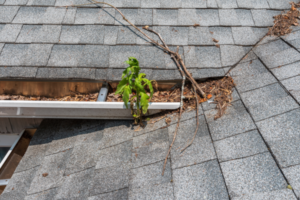 Gutter debris does not disappear when the season changes. Spring blossoms and seed material may remain into summer. Summer storm debris can mix with fall leaves. Fall blockages may still be present when snow and freezing temperatures arrive.
That is why seasonal buildup should not be ignored simply because the gutters are not overflowing every day. A partial blockage may still allow some water through while reducing the system’s overall drainage capacity.
Homeowners should pay attention after storms, heavy leaf fall, and other periods when debris is more likely to enter the gutters. A consistent cleaning routine can be easier to manage than waiting until water is visibly pouring over the edges.
Professional Clogged Gutter Cleaning
Professional clogged gutter cleaning may be appropriate when the system is visibly full, drainage has slowed, downspouts appear blocked, or the gutters are difficult to reach safely. Multi-story homes, steep ground, landscaping obstacles, and limited ladder access can make the work more complicated. Explore Central Window Cleaning’s residential gutter cleaning services to address clogged gutters before seasonal buildup creates additional drainage concerns. Call 877-815-9274 for more information.
Frequently Asked Questions
1. How can I tell if my gutters are partially clogged?
Partially clogged gutters may still move some water, but signs often include slow drainage, water spilling from one section, debris visible above the gutter edge, or downspouts releasing less water than expected. A partial blockage can worsen as additional leaves, twigs, and seasonal debris collect.
2. Can clogged gutters cause water to collect near the foundation?
Yes, clogged gutters can allow water to overflow and collect closer to the home instead of moving through the downspouts. Repeated pooling may create moisture concerns around the property, especially when drainage routes do not carry runoff away from the structure.
3. Why does water spill behind the gutter instead of over the front?
Water may spill behind a gutter when debris blocks normal flow, the gutter is sagging, or the system has pulled away from the roofline. Because several conditions can cause this problem, the gutter may need cleaning and a separate inspection for alignment or attachment concerns.
4. Can gutter stains indicate a drainage problem?
Yes, stains beneath or around the gutter line can indicate repeated overflow or poor drainage. Water may carry dirt and organic residue onto siding, fascia, or exterior trim. Staining alone does not confirm damage, but recurring marks should not be ignored.
5. What does it mean if plants are growing in the gutters?
Plants growing in gutters usually mean soil-like organic debris and moisture have remained in the system long enough for seeds to take root. This is a strong sign that clogged gutter cleaning is needed because water flow is likely restricted.
6. Can a blocked downspout cause the gutter to overflow?
Yes, a blocked downspout can cause water to back up even when the gutter channel itself appears relatively clear. Leaves, twigs, and compacted debris may become trapped inside the downspout and prevent roof runoff from reaching the ground properly.
7. Should gutters be checked after heavy storms?
Yes, gutters should often be checked after heavy storms, especially when strong wind may have carried leaves, branches, or roof debris into the system. Homeowners should also watch for overflow, poor downspout flow, or new staining during the next rainfall.
8. Can clogged gutters become too heavy?
Yes, wet leaves, standing water, and trapped debris can add weight to the gutter system. Over time, that weight may contribute to sagging, uneven sections, or strain on brackets and attachment points. Cleaning removes the buildup but does not repair damaged hardware.
9. Is gutter cleaning enough if the gutter is sagging?
No, gutter cleaning may remove debris and reduce added weight, but it will not correct loose brackets, poor alignment, or damaged sections. A sagging gutter may need a separate evaluation after the blockage has been cleared.
10. When should homeowners consider professional clogged gutter cleaning?
Professional clogged gutter cleaning may be appropriate when gutters are visibly full, downspouts are blocked, water repeatedly overflows, or the system is difficult to reach safely. Multi-story homes, steep ground, and limited ladder access can make the work more complicated.