
How Cleveland Weather Affects Your Home’s Windows
Cleveland weather can be tough on a home’s windows. Cold winters, snow, ice, rain, humidity, pollen, wind, and seasonal temperature changes all leave their mark on glass, frames, screens, tracks, and sills. Because windows are exposed to the outdoors year-round, they often show signs of weather before other parts of the home. Streaks, spots, cloudy glass, pollen film, and moisture-related buildup can make windows look dull and affect the overall appearance of a property.
At Central Window Cleaning, we understand that clean windows are about more than appearance. Windows bring natural light into the home, help frame outdoor views, and contribute to the way a property looks from both inside and outside. Window maintenance is one way homeowners can stay ahead of the effects of Cleveland’s changing seasons and keep their windows looking clearer throughout the year.
There is no single cleaning schedule that works for every home. Some windows collect grime quickly because they are near trees, roads, driveways, or shaded areas. Others may stay cleaner longer if they receive more sunlight or are protected from direct weather exposure. Understanding how Cleveland weather affects your windows can help you decide when cleaning may be needed.
Winter Snow, Ice, and Salt
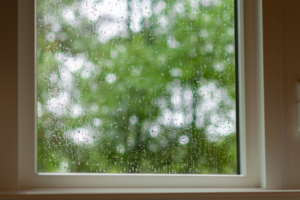 Cleveland winters can create a noticeable layer of residue on exterior windows. Snow and ice may collect around frames, ledges, screens, and sills. As temperatures rise and fall, melting snow can run down the glass and leave behind streaks. When that moisture mixes with dirt or outdoor debris, the glass may appear cloudy or marked.
Road salt and winter grime can also affect homes near busy streets, sidewalks, or driveways. Wind can carry fine particles onto lower windows, basement windows, garage windows, and glass near entryways. These marks may not be obvious during the coldest months, but once spring arrives, the buildup often becomes easier to see.
Window maintenance after winter can help remove leftover salt, dirt, and residue. It also gives homeowners a better view of the glass and surrounding areas, making it easier to notice damaged screens, worn frames, or moisture patterns that may need attention.
Freeze-Thaw Cycles and Moisture
Cleveland’s shifting temperatures often create freeze-thaw cycles. Moisture may settle around window frames, tracks, and sills. When temperatures drop, it can freeze. When they rise again, it melts and may carry dirt across the glass. This cycle can leave streaks and can make certain windows look dirty faster than others.
Not every moisture mark means there is a serious issue. Many spots are simply the result of normal weather exposure. Still, homeowners should pay attention to windows that regularly collect moisture, fog, or residue. When glass is clean, it is easier to tell whether a mark is on the surface or whether something else may need to be checked.
Spring Rain and Pollen
Spring can bring heavy rain, pollen, and changing temperatures. Rain may seem like it should clean windows, but it often leaves spots, especially when it mixes with pollen, dust, or residue already on the glass. Pollen can form a yellow or greenish film on windows, screens, and sills. Once wet, it may cling to the surface and become more noticeable.
Homes near trees, shrubs, gardens, or grassy areas may collect pollen faster. Screens can also hold dust and pollen, which may transfer back to the glass during rain or wind. That is why windows sometimes look cloudy shortly after a storm.
Window maintenance in spring is helpful because it removes much of the buildup left behind by winter and early-season pollen. It can also brighten the home by allowing more natural light through cleaner glass.
Summer Heat, Humidity, and Storms
Cleveland summers often include warm temperatures, humidity, thunderstorms, and dust. Humidity can make smudges, streaks, and residue more noticeable. During dry periods, dust may settle on exterior glass. When rain returns, that dust can mix with moisture and form a thin layer of grime.
Storms can also leave water spots, windblown debris, and streaks on windows. Homes near roads, landscaping, or construction activity may notice this buildup more often. Interior glass can also show fingerprints and smudges more clearly when sunlight is strong.
Window maintenance during summer can help keep glass clearer during a season when windows are often opened, screens are used, and outdoor conditions change quickly. It also helps maintain a brighter and cleaner-looking interior.
Fall Leaves and Debris
Fall brings cooler air, falling leaves, and more debris around the home. Leaves can collect near window wells, sills, gutters, and lower exterior areas. When wet leaves sit near windows, they may leave organic residue on nearby surfaces. Wind can also push small debris against screens and frames.
As winter approaches, many homeowners begin preparing the outside of the home for colder weather. Windows should be part of that routine. Cleaning the glass and checking the areas around frames and sills can help remove buildup before snow and ice arrive.
Fall is also a time when condensation may become more noticeable as indoor and outdoor temperatures begin to differ. Some condensation is normal, but repeated moisture can leave streaks or residue. Clean windows make it easier to observe these changes.
Wind, Shade, and Trees
Cleveland’s weather can include wind and moisture influenced by Lake Erie. Wind can carry dust, pollen, leaves, and other debris onto glass. Wind-driven rain may affect one side of the home more than another, which means some windows may need attention sooner.
Shade can also affect how quickly windows get dirty. Shaded areas dry more slowly after rain or snow. When moisture stays around the glass, pollen, dirt, and organic material may cling more easily. Homes with mature trees may also deal with sap, leaves, seeds, insects, and bird droppings around windows.
Window maintenance works best when it is based on the actual condition of the home. A shaded window near trees may need cleaning sooner than a sunny window in a more open area. Looking at each side of the home separately can help homeowners make better decisions.
 Water Spots, Screens, Tracks, and Frames
Water spots are common on exterior windows. They may come from rain, sprinklers, hose water, or runoff from nearby surfaces. When water dries, it can leave minerals or residue behind. These spots may be especially visible when sunlight hits the glass.
Screens, tracks, sills, and frames also matter. Screens can trap pollen and dust. Tracks may collect dirt and insects. Sills can hold moisture, leaves, and debris. If these areas are ignored, they can make clean glass look dirty again more quickly.
Window maintenance should include more than wiping the glass. Paying attention to the full window area supports a cleaner appearance and makes it easier to notice areas that may need further care.
When Should Cleveland Homeowners Clean Their Windows?
Cleveland weather will always affect home windows, but regular care can help keep them clearer and easier to maintain. If your windows are showing the effects of snow, rain, pollen, humidity, or seasonal debris, we are here to help. Contact Central Window Cleaning to discuss your home’s window cleaning needs and learn more about how we can assist. Reach out to Central Window Cleaning today at 877-815-9274.
FAQs
1. How does Cleveland weather affect home windows?
Cleveland weather can leave dirt, streaks, water spots, pollen, salt residue, and moisture-related buildup on windows. Seasonal changes such as snow, rain, humidity, wind, and falling leaves can all affect how clear and clean windows look.
2. Why do windows look dirty after winter?
Winter snow, ice, and road salt can leave residue on exterior glass, frames, screens, and sills. Once spring arrives, the buildup often becomes easier to see, especially on lower windows or windows near driveways and entryways.
3. Can rain make windows dirtier?
Rain can leave spots and streaks when it mixes with dust, pollen, or residue already on the glass. Instead of fully cleaning the window, rain may spread existing buildup across the surface.
4. Why does pollen collect on windows in spring?
Pollen can settle on glass, screens, sills, and frames, especially around homes near trees, shrubs, gardens, or grassy areas. When pollen gets wet, it can cling to the surface and make windows look cloudy.
5. How does humidity affect windows?
Humidity can make streaks, smudges, and residue more noticeable. It may also contribute to moisture around windows, especially during warm summer weather or seasonal temperature changes.
6. Why do some windows get dirty faster than others?
Some windows are more exposed to wind, shade, trees, road dust, or rain. A shaded window near trees may collect moisture, pollen, leaves, and debris faster than a sunny window in a more open area.
7. Do screens and window tracks need attention too?
Yes. Screens can trap pollen and dust, while tracks, sills, and frames can collect dirt, insects, leaves, and moisture. If these areas are not cleaned, they can make the full window area look less maintained.
8. When should Cleveland homeowners clean their windows?
The right timing depends on the home, but many homeowners notice the need for cleaning after winter, during pollen season, or before colder weather returns. Visible cloudiness, streaks, spots, or reduced natural light are common signs that cleaning may be helpful.
9. Why is professional window cleaning useful?
Professional window cleaning can be helpful for hard-to-reach windows, heavily marked glass, large panes, and routine home maintenance. Proper tools and techniques can help reduce streaks and improve clarity.
10. Who can homeowners contact for window cleaning in Cleveland?
Homeowners can contact Central Window Cleaning to discuss residential window cleaning needs. Central Window Cleaning can be reached at 877-815-9274.